

Who Is the Best Insulation Contractor in Garner, NC? 7 Essential Questions to Ask Before You Hire
In today’s competitive home improvement industry, selecting the right insulation contractor is crucial for achieving energy efficiency, maintaining indoor comfort, and ensuring long-term performance. home tech insulation in Fuquay-Varina, NC, has earned a reputation as one of North Carolina’s trusted experts in spray‑foam, blow‑in, and batt insulation. This article provides homeowners and commercial property managers with guidance on evaluating insulation contractors in Garner, NC, focusing on experience, energy efficiency, transparent pricing, customer satisfaction, sustainable solutions, project management, and warranties. By addressing these critical questions, readers can confidently select a contractor that meets their needs and secures long-term energy savings and comfort.
With rising energy costs and a focus on sustainable building practices, insulation projects not only reduce utility bills but also minimize a building’s carbon footprint and improve indoor air quality.
What Experience and Certifications Should the Best Insulation Contractor Have?
Choosing a contractor with solid industry experience and recognized certifications is vital for quality work and long-term performance. Experienced contractors are better prepared to handle challenges and provide customized solutions that ensure energy efficiency, durability, and safety.
Why Is Local Experience in Garner, NC Important for Insulation Contractors?
Contractors with local experience in Garner, NC, understand the region’s climate, building codes, and common construction styles. This familiarity enables them to recommend insulation products suited for local weather conditions and energy needs. For example, in areas with high humidity and fluctuating temperatures, specialized products can prevent moisture buildup and heat loss. Local professionals also benefit from established relationships with regional suppliers and permit offices, which streamlines project timelines and minimizes delays. Community reviews and testimonials further document their reliability and workmanship, adding an extra layer of trust.
Which Certifications and Licenses Prove Contractor Expertise?
Industry certifications such as those from the Building Performance Institute (BPI) and Residential Energy Services Network (RESNET), along with manufacturer-specific credentials for spray foam or blown-in products, indicate expertise and a commitment to quality standards. These certifications require ongoing education, ensuring contractors are up-to-date with evolving technologies and best practices. In addition, local and state licenses, proof of liability insurance, and workers’ compensation coverage verify a contractor’s legitimacy and adherence to North Carolina regulations. Standardized safety training also minimizes installation errors that could lead to energy loss or hazards like mold development.
How Do Insulation Contractors in Garner, NC Ensure Energy Efficiency?

Energy efficiency is a primary focus for insulation projects as it minimizes heat transfer and reduces energy consumption. Contractors achieve these results by using advanced materials and precise installation methods that deliver measurable energy savings.
What Types of Insulation Materials Are Most Effective for Energy Savings?
Home Tech Insulation offers a variety of high-performance materials to meet specific energy-saving needs. Spray foam insulation is popular for its superior air-sealing ability and high R-value per inch, meaning it significantly resists heat flow compared to traditional materials. Fiberglass batts are cost-effective and easy to install, while cellulose insulation, made from recycled paper, is an eco-friendly option with excellent thermal performance and sound absorption. Contractors evaluate these materials based on their R-value—a measure of thermal resistance—and often combine them to seal gaps and efficiently fill spaces. Proper installation results in long-term savings on heating and cooling expenses.
How Do Contractors Assess and Improve Home Energy Efficiency?
Contractors typically start with energy assessments using tools like thermal imaging and blower door tests to identify areas of heat loss or gain. These assessments ensure that insulation is applied evenly and effectively throughout the property. Digital R-value calculators and energy modeling software further help forecast performance outcomes and reinforce recommendations. For instance, upgrading insulation in a poorly insulated attic may cut energy losses by up to 20%, reducing both utility bills and the carbon footprint. Contractors might also recommend additional solutions such as radiant barrier installation or air sealing to enhance overall energy efficiency.
What Are the Key Questions to Ask About Pricing and Estimates?
Understanding how pricing and estimates are prepared is essential when comparing insulation contractors. Transparent, detailed quotes help clients understand all labor, material, and service costs, eliminating hidden fees and surprises.
How Do Insulation Contractors Provide Transparent and Detailed Quotes?
Experienced contractors in Garner, NC, begin with an on-site assessment to gather accurate measurements and identify unique challenges that could affect costs. They then provide detailed, line-item breakdowns that include labor charges, material costs, equipment rental, disposal fees, permits, and administrative expenses. This systematic approach builds trust by clearly outlining each cost element. For example, a comprehensive estimate may itemize expenses for spray foam application, extra moisture barriers, and post-installation cleanup, ensuring that homeowners know exactly what they are paying for.
What Should Be Included in a Fair Insulation Service Estimate?
A fair estimate should include a clear statement of work, a detailed cost breakdown, and defined timelines for project commencement and completion. It should also outline additional fees, payment schedules, and contingency plans. For example, an attic insulation estimate should cover material purchase, installation, cleanup, and any necessary post-installation inspections. A guarantee that no extra charges will be added after contract signing, unless unforeseen issues arise, further protects both parties.
How Can You Verify Customer Satisfaction and Contractor Reputation?

Customer feedback is critical when evaluating insulation contractors. A contractor’s reputation is reflected in online reviews, testimonials, and past project stories, which provide insights into their reliability and quality of work.
Where Can You Find Reliable Reviews and Testimonials for Garner Contractors?
Homeowners can find reviews on platforms such as Google My Business, Yelp, the Better Business Bureau (BBB), and industry-specific websites. Social media and local community forums are also valuable resources where residents share firsthand experiences with local contractors. Additionally, reputable contractors like Home Tech Insulation are often willing to provide direct references from previous clients, which can offer detailed insights into their reliability, communication, and workmanship.
What Are Common Red Flags in Customer Feedback?
Certain issues in reviews may indicate potential problems. Frequent mentions of missed deadlines, poor communication, unexpected extra costs, or unsatisfactory cleanup should raise caution. Patterns of low-quality workmanship or unresolved warranty claims are also red flags. Homeowners are advised to cross-check reviews across multiple sources and directly inquire with contractors about any concerning feedback before finalizing their decision.
What Sustainable and Eco-Friendly Insulation Options Are Available?
Eco-friendly insulation options are increasingly popular as homeowners seek to reduce their carbon footprint and improve indoor air quality. Contractors offering sustainable solutions demonstrate a commitment to both quality service and environmental responsibility.
Which Eco-Friendly Insulation Materials Do Garner Contractors Offer?
Green insulation materials, such as cellulose insulation made from recycled paper, are highly effective and environmentally friendly. Other options include natural sheep’s wool and soy-based spray foam, which offer excellent insulation properties while being biodegradable and low in chemical content. Contractors in Garner, NC, emphasize these options to meet the growing demand for sustainable building practices. For example, cellulose insulation provides comparable R-values to conventional materials while utilizing recycled resources.
How Do Sustainable Practices Impact Home Comfort and Costs?
Sustainable insulation not only reduces energy consumption but also stabilizes indoor temperatures and minimizes moisture build-up, thereby enhancing overall indoor air quality. Homeowners benefit from improved comfort and potential cost savings, as quality, sustainable insulation can reduce annual heating and cooling expenses by as much as 20%. Moreover, the durability of eco-friendly materials means installations last longer, reducing the need for frequent reapplications or replacements and potentially increasing the property’s resale value.
How Do Insulation Contractors Handle Project Timelines and Cleanup?
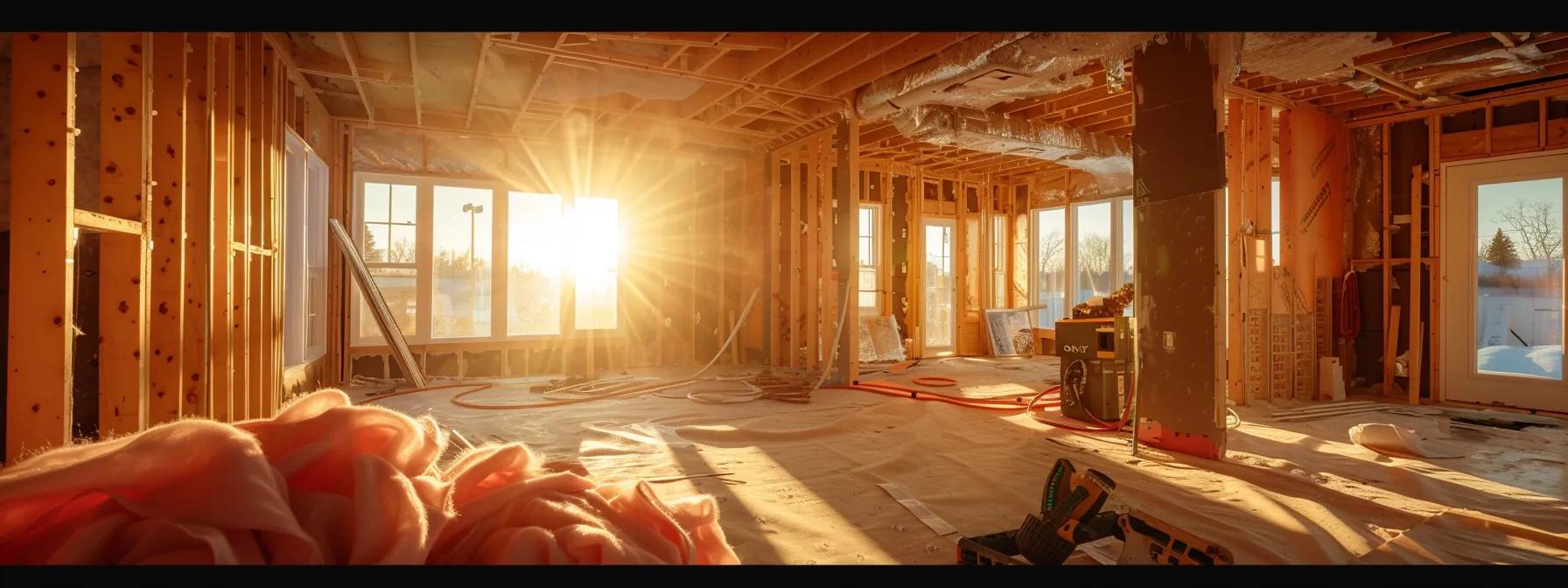
Effective project management is essential for insulation installations. Adherence to timelines, efficient job site organization, and thorough cleanup practices are critical to ensuring the project is completed on schedule and to high-quality standards.
What Is a Typical Installation Timeline for Residential Insulation?
Residential insulation projects generally require one to three days, depending on the size and complexity of the home. Smaller or simpler projects can often be completed in 24 hours, while larger or more intricate installations, such as using spray foam in hard-to-reach spaces, may take several days. Contractors usually start with an on-site assessment and planning phase, followed by material preparation, installation, cleanup, and a final quality inspection, ensuring the homeowner’s schedule is minimally disrupted.
How Do Contractors Manage Job Site Cleanliness and Waste Disposal?
Maintaining a clean job site is a priority for professional contractors. They implement procedures that include containing dust and debris, using protective coverings for furniture and floors, and disposing of waste materials in compliance with local regulations. After installation, a dedicated cleanup crew ensures the property is restored to its original condition. Detailed explanations of the cleanup process, including timeframes and any additional costs, are provided in the service agreement, reinforcing both safety and environmental responsibility.
What Warranties and Guarantees Should You Expect From Insulation Contractors?
Warranties and guarantees are critical assurances that the insulation work is performed correctly and any issues will be resolved without extra cost. These terms protect homeowners’ investments and build confidence in the contractor’s workmanship.
What Types of Warranties Are Common for Insulation Work?
Reputable insulation contractors typically offer separate warranties for materials and installation. Material warranties may range from 10 to 20 years, while workmanship warranties usually vary from one to five years. Some contractors also provide performance guarantees to ensure that the insulation maintains specified energy efficiency standards over time. A comprehensive warranty package details what is covered—such as settling, degradation, or moisture issues—and any maintenance requirements needed to keep the warranty valid.
How Do Guarantees Protect Your Investment in Insulation Services?
Guarantees serve as an additional layer of protection, ensuring that if insulation underperforms because of poor installation or defective materials, the contractor will provide corrective services at no extra cost. They often include post-installation inspections and follow-up support. This proactive approach not only reassures homeowners by lowering future energy bills but also demonstrates the contractor’s commitment to quality. Robust guarantees ultimately provide peace of mind for a risk-free investment.
Table: Comparison of Insulation Materials and Their Attributes
Before moving on, consider the following table that compares various insulation materials with respect to R-value, cost, sustainability, and typical applications.
| Insulation Material | R-Value per Inch | Cost Effectiveness | Sustainability Factor | Typical Application |
|---|---|---|---|---|
| Spray Foam | 6.5 – 7 | Moderate to High | Low VOC formulations available | Air sealing and high performance |
| Fiberglass Batts | 3.1 – 3.4 | Low | Recyclable, but less eco-friendly | Wall and attic insulation |
| Cellulose | 3.2 – 3.8 | Moderate | Made from recycled paper | Attic and wall cavities |
| Wool (Sheep’s Wool) | 3.5 – 4.0 | Moderate | Natural, biodegradable | Sound absorption, eco-friendly |
| Soy-Based Spray Foam | 6 – 7 | Moderate | Renewable ingredient-based | Sustainable air sealing projects |
This table illustrates that insulation materials vary in energy efficiency, cost, and environmental impact, allowing homeowners to choose the solution that best meets their building’s needs.
Key Benefits of Hiring a Local, Certified Insulation Contractor
Here are the top benefits of hiring a reputable insulation contractor with local experience and proper certifications:
- Enhanced Energy Efficiency – Local experts select and install materials best suited to the regional climate, leading to significant energy savings.
- Reliable Performance – Certified professionals use industry-standard practices and quality materials for long-lasting thermal performance.
- Transparent Pricing – Detailed, line-item estimates eliminate unexpected fees and provide clear cost breakdowns.
- Personalized Solutions – Tailored recommendations from on-site assessments address specific issues like moisture control and air sealing.
- Accountability and Peace of Mind – Comprehensive warranties and guarantees protect investments by ensuring any installation flaws are promptly addressed.
Frequently Asked Questions
Q: How can I verify that a contractor is licensed and certified in North Carolina?
A: Check with the North Carolina Licensing Board and review platforms like the BBB and local trade associations. Positive reviews and referrals, along with verifiable licenses, confirm a contractor’s legitimacy.
Q: What insulation material is best for reducing energy costs in older homes?
A: A combination of spray foam and blown-in cellulose is often recommended for older homes to effectively seal air leaks and improve thermal performance. An energy audit can help determine the best solution.
Q: How long does an insulation project typically take on average?
A: Most residential insulation projects take between one and three days, with detailed timelines provided in the contractor’s estimate.
Q: Are eco-friendly insulation options more expensive than traditional ones?
A: Although eco-friendly options may have a slightly higher initial cost, they offer long-term savings through improved energy efficiency, reduced environmental impact, and potential rebates.
Q: What should I ask about warranty and guarantees when hiring an insulation contractor?
A: Ask about the duration of both material and workmanship warranties, what issues are covered, and any maintenance requirements needed to preserve the warranty.
Q: Can insulation improvements help improve indoor air quality?
A: Yes, proper insulation minimizes air leaks and moisture infiltration, reducing the risk of mold growth and improving indoor air quality.
Q: What signs indicate poor insulation installation after the project is completed?
A: Signs include noticeable drafts, uneven temperature distribution, and increased energy bills. A follow-up energy audit or post-installation inspection can help verify if the installation meets industry standards.
Final Thoughts
Carefully evaluating insulation contractors in Garner, NC by examining their experience, certifications, energy-saving techniques, transparent pricing, customer reputation, sustainable practices, project management, and warranty coverage is crucial for making an informed decision. Homeowners should request comprehensive on-site assessments and detailed estimates to ensure installations are tailored to regional conditions. With thorough research and the right questions, property owners can secure insulation solutions that deliver long-term energy savings, enhanced comfort, and increased property value. Choose a contractor who meets technical standards and offers transparent communication and robust guarantees for a risk-free investment in your home’s future.