
What Saves More on Fuquay‑Varina Energy Bills: Efficient Windows or Attic Insulation?
Energy bills in Fuquay‑Varina have become a major concern for homeowners looking to reduce expenses and increase comfort. With rising utility costs and growing environmental awareness, many residents are considering energy-efficient upgrades. Two of the most popular options are efficient windows and improved attic insulation. home tech insulation, a trusted contractor in North Carolina with decades of expertise, helps residents choose the right upgrade to optimize energy savings. This article evaluates the benefits of each option by reviewing features, installation costs, typical energy savings, and financing opportunities. It also offers additional tips to further lower energy expenses in Fuquay‑Varina homes.
The article follows these key topics: a look at how energy-efficient windows reduce bills; an analysis of attic insulation’s impact; a comparison of the two; and guidance for selecting the best upgrade based on each home’s needs. Supporting data, tables, and practical examples help homeowners make informed decisions that blend comfort and cost savings.
How Do Energy-Efficient Windows Reduce Fuquay‑Varina Home Energy Bills?
Energy-efficient windows are designed to minimize heat loss during winter and restrict heat gain in summer. By using double-pane glass and low-emissivity (Low‑E) coatings, these windows insulate against temperature changes and reduce the load on HVAC systems. Their advanced sealing and improved frames help prevent drafts, resulting in lower heating and cooling costs.
What Are the Key Benefits of Installing Energy-Efficient Windows?
These windows improve indoor comfort by maintaining stable temperatures even during extreme weather. They also reduce noise pollution and, over time, lower utility bills due to decreased energy consumption. Many modern windows offer enhanced aesthetics, increasing property value. Additionally, their durability and resistance to weather-related damage mean homeowners save on replacement and repair costs. In Fuquay‑Varina’s variable climate, reducing temperature fluctuations contributes to overall home performance and can help achieve green building certifications.
How Do Window Features Like Double-Pane and Low-E Coatings Save Energy?
Double-pane windows incorporate two layers of glass with an insulating gas (argon or krypton) that reduces heat exchange. Low‑E coatings reflect infrared light to keep heat inside during winter and outdoors during summer. Together, these features can cut the energy needed for heating and cooling by up to 30%. They also help protect interior furnishings from UV damage. Independent testing shows that properly installed, these windows significantly lower the U‑value, translating to measurable energy savings for Fuquay‑Varina homes.
What Is the Typical Energy Savings From Window Replacement in Fuquay‑Varina?
Replacing standard windows with energy-efficient models can lower energy bills by 10%–20% overall. Advanced window technology may reduce heating costs by about 15% and cooling expenses by around 10%—though figures depend on a home’s structure and existing insulation quality. A local case study reported nearly an 18% reduction in energy bills after a switch to double-pane, Low‑E windows. Homeowners are encouraged to explore available rebates and financing options to help offset the replacement cost.
How Does Attic Insulation Impact Energy Bills in Fuquay‑Varina Homes?
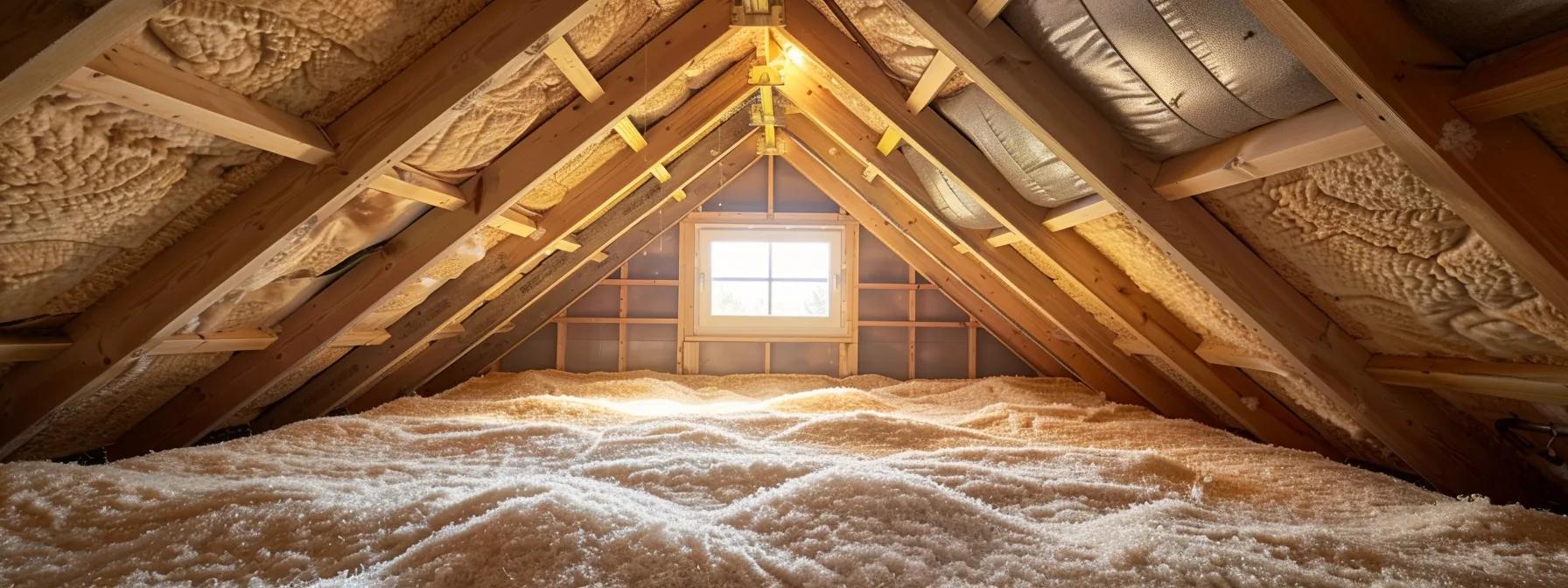
Attic insulation is critical for controlling energy bills because it limits unwanted heat transfer between living areas and the unconditioned attic. Enhancing attic insulation helps maintain a uniform indoor climate regardless of seasonal changes and reduces the strain on heating and cooling systems. For many Fuquay‑Varina homes, where the attic is a major source of energy loss, upgrading insulation can yield significant annual cost reductions.
What Are the Benefits of Upgrading Attic Insulation?
Improved attic insulation traps warm air in winter and blocks hot air in summer, reducing the need for excessive heating and air conditioning. This results in lower electricity bills and a smaller carbon footprint. Better insulation improves sound dampening and protects the home structure by minimizing temperature fluctuations and condensation, which can lead to mold or rot. Modern insulation materials also offer enhanced fire resistance and meet up-to-date safety standards.
Which Types of Attic Insulation Offer the Best Energy Savings?
Homeowners can choose from several insulation options: • Batt insulation (typically fiberglass) is popular for its affordability and ease of installation. • Spray foam insulation offers a superior seal that cuts down on air leakage. • Blown‑in insulation, like cellulose, is effective for filling irregular areas. Studies show that dense pack cellulose and closed‑cell spray foam often provide the highest R‑values per inch. In Fuquay‑Varina homes, insulation with an R‑value of 30 or higher is generally recommended for optimal performance.
How Much Can Fuquay‑Varina Homeowners Save With Improved Attic Insulation?
Upgrading attic insulation can reduce energy bills by approximately 15%–25%. Many homeowners see a payback period of three to five years, with benefits lasting for decades. Improved insulation helps stabilize indoor temperatures, easing the load on HVAC systems. Local case studies report smoother temperature control and lower overall energy use, and many utilities offer rebates or incentive programs that further strengthen the financial case for insulation upgrades.
Which Saves More: Efficient Windows or Attic Insulation for Fuquay‑Varina Energy Bills?
Choosing between efficient windows and attic insulation depends on several factors, including the home’s condition, local climate, and installation costs. While both upgrades provide substantial benefits, using them in combination often results in the greatest energy savings.
What Factors Influence the Energy Savings of Windows vs. Insulation?
Important factors include: • The age of the home and current materials used. • Existing conditions of windows and insulation. • Local Fuquay‑Varina climate, where extreme temperatures may favor insulation improvements. • Quality of installation, as poor installation of either upgrade can lead to suboptimal performance. Energy audits have found that windows may account for 20%–30% of energy loss, while inadequate attic insulation can account for up to 25%.
How Do Installation Costs Compare Between Windows and Attic Insulation?
Energy-efficient windows typically come with higher upfront costs, often ranging from $500 to $1,500 per window. In contrast, upgrading attic insulation generally costs between $1,000 and $3,000 for an entire home. While windows can sometimes offer a faster payback if very inefficient, insulation upgrades tend to result in broader savings by stabilizing overall home temperature. Local contractors often note that insulation offers a shorter payback period in regions with wide temperature variations.
What Are the Long-Term Savings and Payback Periods for Each Upgrade?
Over the long term, efficient windows may lower energy bills by 10%–20% with a five‑to‑eight‑year payback, while attic insulation can reduce energy use by up to 25% with a three‑to‑five‑year payback period. Research from Home Tech Insulation and local case studies indicate that combining both upgrades can lower annual bills by over 30% while increasing overall home value and comfort.
How Can Fuquay‑Varina Homeowners Choose the Best Energy Efficiency Upgrade?
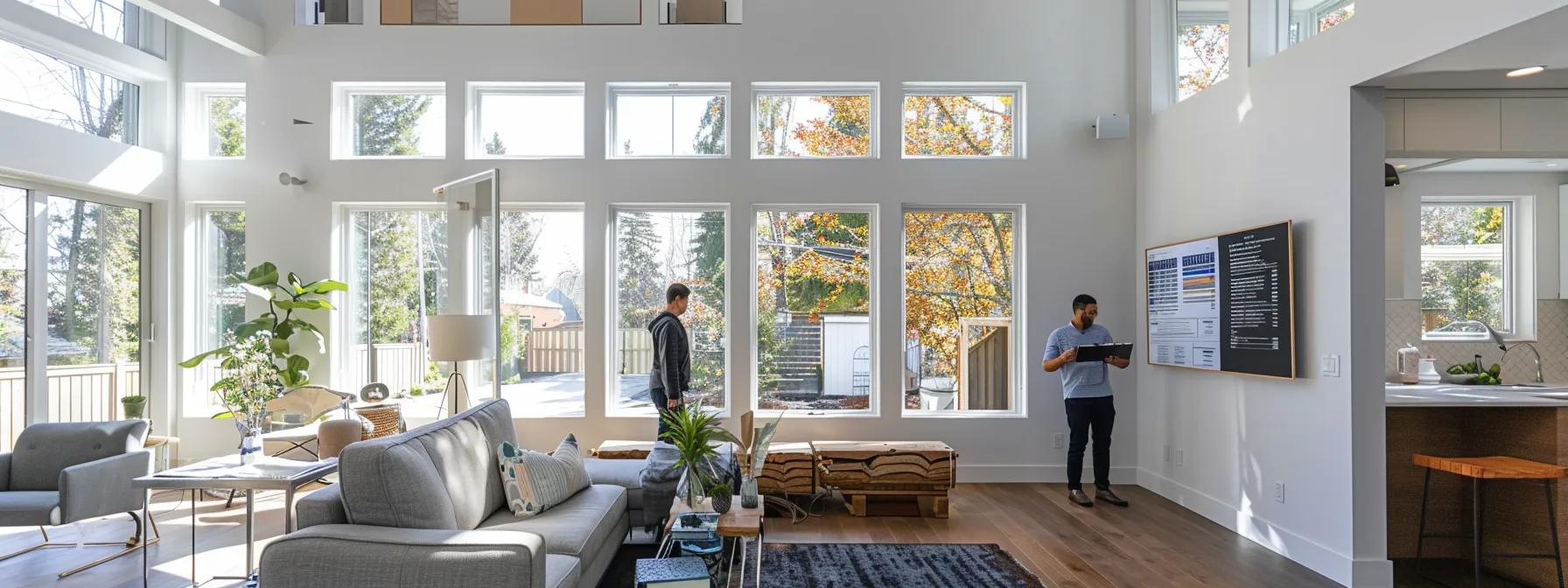
Homeowners should start with a professional home energy audit, which pinpoints areas where energy is lost. This audit helps determine whether windows, attic insulation, or other systems are the best candidates for upgrade. Data from the audit guides the decision by highlighting potential savings and return on investment over the next five to ten years.
When Is Window Replacement More Effective Than Attic Insulation?
Window replacement is most effective when existing windows are outdated, single‑pane, or poorly sealed, resulting in noticeable drafts and heat loss. In such cases, modern energy‑efficient windows can quickly improve thermal performance and indoor comfort. Additionally, aesthetic improvements and noise reduction often make window replacements an attractive investment for many Fuquay‑Varina homeowners.
How Does a Home Energy Audit Help Determine the Best Upgrade?
A home energy audit uses tools such as thermal imaging and blower door tests to identify where energy leaks occur. The resulting report provides percentage losses by area, cost estimates for upgrades, and expected savings. For many residents, the audit reveals whether windows or attic insulation should be prioritized to maximize energy efficiency.
What Customized Solutions Are Available for Fuquay‑Varina Homes?
Contractors like Home Tech Insulation offer tailored solutions that may include retrofitting existing windows or installing various types of attic insulation. They also provide bundled upgrade packages and assist in securing financing, rebates, and incentive programs available from local utilities and government agencies.
What Additional Tips Help Reduce Energy Bills Beyond Windows and Insulation?
Beyond windows and insulation, a holistic approach including regular home maintenance and HVAC upgrades can further reduce energy costs. Small adjustments can add up to substantial savings over time.
How Do HVAC Upgrades Complement Window and Insulation Improvements?
Upgrading HVAC systems ensures that energy savings from improved windows and insulation are not negated by an inefficient heating or cooling system. Modern HVAC systems, equipped with smart thermostats and higher efficiency ratings, can reduce energy usage by up to 20%. When combined with other upgrades, these improvements enhance overall indoor climate control, extend equipment lifespan, and reduce repair costs.
What Simple Home Maintenance Practices Lower Energy Costs?
Regular practices such as sealing leaks around doors and windows, cleaning or replacing air filters, and inspecting for water damage or mold help maintain energy efficiency. Programmable thermostats and the use of ceiling fans and energy‑efficient lighting also contribute to reducing monthly energy bills.
How Does Fuquay‑Varina’s Climate Affect Energy Efficiency Choices?
Fuquay‑Varina’s moderate yet fluctuating climate—with warm summers and chilly winters—requires a balanced approach. High solar radiation in summer can cause overheating unless windows are properly treated, while poor insulation in winter can lead to heat loss. Homeowners should select upgrades that offer year‑round performance, such as incorporating thermal breaks in windows and choosing high‑R‑value insulation for attics.
What Are the Costs and Financing Options for Energy-Efficient Upgrades in Fuquay‑Varina?

Upfront costs for energy-efficient upgrades vary based on project scope and quality of materials. Homeowners are encouraged to obtain multiple quotes and explore financing options like state rebates, federal tax credits, and low‑interest loans available through local utilities and government programs.
What Is the Average Cost of Installing Energy-Efficient Windows?
Installing energy-efficient windows generally costs between $500 and $1,500 per window. For an average home with 10 to 15 windows, the total investment ranges from $5,000 to $22,500. Long‑term savings, improved property value, and enhanced comfort help justify these costs, especially when warranties extend performance guarantees for up to 20 years.
How Much Does Attic Insulation Installation Typically Cost?
Attic insulation installation typically runs between $1,000 and $3,000 for an entire home, depending on the attic’s size and chosen material. High‑performance options such as closed‑cell spray foam are at the higher end, while blown‑in cellulose or fiberglass batts are more affordable. Reduced energy bills often mean a payback period of three to five years.
What Financing or Incentive Programs Support Fuquay‑Varina Homeowners?
Fuquay‑Varina residents can take advantage of various financing and incentive programs offered by the North Carolina Energy Office, local utility rebates, and federal tax credits. Home Tech Insulation assists homeowners in navigating these programs, which may include interest‑free loans or rebates covering 20%–30% of installation costs, easing the upfront investment.
How Do Fuquay‑Varina Residents Rate Their Energy Savings After Upgrades?
Independent energy audits and resident testimonials indicate that most Fuquay‑Varina homeowners experience significant savings after upgrading to efficient windows and improved attic insulation. In addition to lowering energy bills, these upgrades enhance indoor comfort and air quality, with many residents reporting reductions of 15%–25% in monthly utility expenses.
What Do Homeowners Say About Window Replacement Energy Savings?
Homeowners commonly report that replacing old windows with energy-efficient alternatives leads to immediate improvements, including reduced drafts, more consistent indoor temperatures, quieter interiors, and increased home value.
How Have Attic Insulation Upgrades Improved Home Comfort and Bills?
After upgrading attic insulation, residents notice a more stable indoor climate, improved heating in winter, lower cooling demands in summer, and reduced seasonal condensation. These benefits result in decreased HVAC usage and lower energy bills, with many noting a quick return on investment.
What Are the Most Popular Energy Efficiency Upgrades in Fuquay‑Varina?
Popular upgrades in Fuquay‑Varina include replacing outdated windows, enhancing attic insulation, and regular HVAC maintenance. Many residents choose a combination of these solutions for a comprehensive approach to energy savings. Emerging trends like smart thermostat installations and solar energy integrations further support long‑term sustainable savings.
Table: Comparison of Energy-Efficient Windows and Attic Insulation
Before the table, here is a summary evaluation comparing key attributes of each upgrade option.
| Upgrade Type | Typical Savings (%) | Average Installation Cost | Payback Period | Additional Benefits |
|---|---|---|---|---|
| Energy-Efficient Windows | 10‑20% | $500‑$1,500 per window | 5‑8 years | Noise reduction, increased home value |
| Attic Insulation | 15‑25% | $1,000‑$3,000 total | 3‑5 years | More uniform temperature, moisture control |
The table shows that while both options deliver meaningful energy savings, attic insulation may offer quicker payback in some cases, whereas energy‑efficient windows provide benefits like noise reduction and improved aesthetics.
After reviewing these details, homeowners should consider their property’s specific attributes to determine which upgrade, or combination of upgrades, will yield the most effective energy savings.
Frequently Asked Questions
Q: How do energy-efficient windows and improved attic insulation work together to reduce energy bills?
A: Energy-efficient windows reduce heat loss through advanced glazing and Low‑E coatings, while improved attic insulation minimizes heat loss via the roof. Together, they create a thermal envelope that stabilizes indoor temperatures and lessens the load on HVAC systems.
Q: Which upgrade generally offers a faster return on investment?
A: Attic insulation typically offers a faster payback period of three to five years due to prompt improvements in temperature regulation, although the outcome depends on the current condition of the insulation.
Q: Are there financing options available to offset the upfront costs of these upgrades?
A: Yes. Fuquay‑Varina homeowners can access rebates, tax credits, and low‑interest financing from state programs and local utilities. Home Tech Insulation helps navigate these options to reduce upfront costs.
Q: How can I determine which upgrade is best for my home?
A: A comprehensive home energy audit is the most effective way to determine where your home loses energy. The audit identifies if windows, attic insulation, HVAC systems, or a combination thereof should be upgraded to maximize efficiency.
Q: Do these upgrades impact indoor comfort beyond lowering energy bills?
A: Yes. Both efficient windows and proper attic insulation improve indoor comfort by maintaining stable temperatures, reducing drafts, mitigating moisture issues, and lowering noise levels.
Q: What maintenance is required after installing energy-efficient windows or upgrading attic insulation?
A: Regular maintenance includes checking window seals and cleaning the glass, and for attic insulation, ensuring there is no moisture build‑up or pest infestation. Periodic inspections help maintain peak performance.
Q: Can I upgrade one system without the other and still achieve significant savings?
A: Yes, upgrading either system can produce noticeable energy savings. However, the most substantial improvements are typically seen when both systems are upgraded together.
Final Thoughts
Efficient windows and upgraded attic insulation are both critical in reducing energy bills for Fuquay‑Varina homeowners. Windows offer enhanced insulation and noise reduction, while attic insulation stabilizes indoor temperatures and reduces HVAC strain. The best option depends on your home’s specific areas of energy loss, often determined through a professional energy audit. Home Tech Insulation provides expert advice and customized solutions to help residents achieve optimal energy savings and enhanced comfort.