

Which Insulation Is Best for Garner’s Climate: Fiberglass or Spray Foam?
If you’re living in Garner, North Carolina, you know how the summers get hot and sticky, and the winters stay mild but damp. Insulation plays a big role in how comfortable (and affordable) your home stays through all that seasonal change. But which insulation works better for our local climate—fiberglass or spray foam?
That’s a question many homeowners ask when considering upgrades to their attic, walls, or crawl space. Both materials are popular, but they perform very differently when it comes to moisture, air sealing, and long-term energy savings.
In this article, we’ll compare fiberglass and spray foam insulation through the lens of Garner’s climate—what works better for your home, where each type performs best, and how they affect your energy bills over time. If you’re searching for reliable information about fiberglass insulation in Garner, you’re in the right place.
Let’s break it down so you can make the most informed choice for your home.
Key Takeaways
- Garner’s hot, humid summers and mild winters make moisture control and air sealing crucial.
- Fiberglass is more affordable up front and commonly used in attics and walls.
- Spray foam offers better air sealing and moisture resistance, but costs more initially.
- A blended approach often works best: fiberglass in wide-open areas and spray foam in crawl spaces or tight spots.
- Choosing the right insulation type can lower your utility bills and improve comfort all year long.
Understanding Garner’s Climate and Why It Matters for Insulation
Before choosing the best insulation, it helps to understand what we’re working with here in Garner. This part of North Carolina falls into a humid subtropical climate zone. That means hot, muggy summers and relatively mild winters, with humidity levels often staying high throughout the year.
This kind of weather puts your home’s insulation to the test. High humidity increases the risk of moisture buildup in your attic, walls, or crawl space. Over time, that can lead to mold, poor indoor air quality, and higher energy bills. During summer, the heat makes your AC work overtime unless your home is well-sealed and insulated.
Because of all this, good insulation in Garner needs to do more than just keep your house warm in the winter. It should:
- Help manage moisture and humidity
- Block air leaks to reduce energy loss
- Provide consistent thermal resistance (R-value)
- Resist mold and mildew in damp areas like crawl spaces
So now that we know what we’re up against, let’s take a closer look at fiberglass insulation and how it performs in our climate.
What Is Fiberglass Insulation?
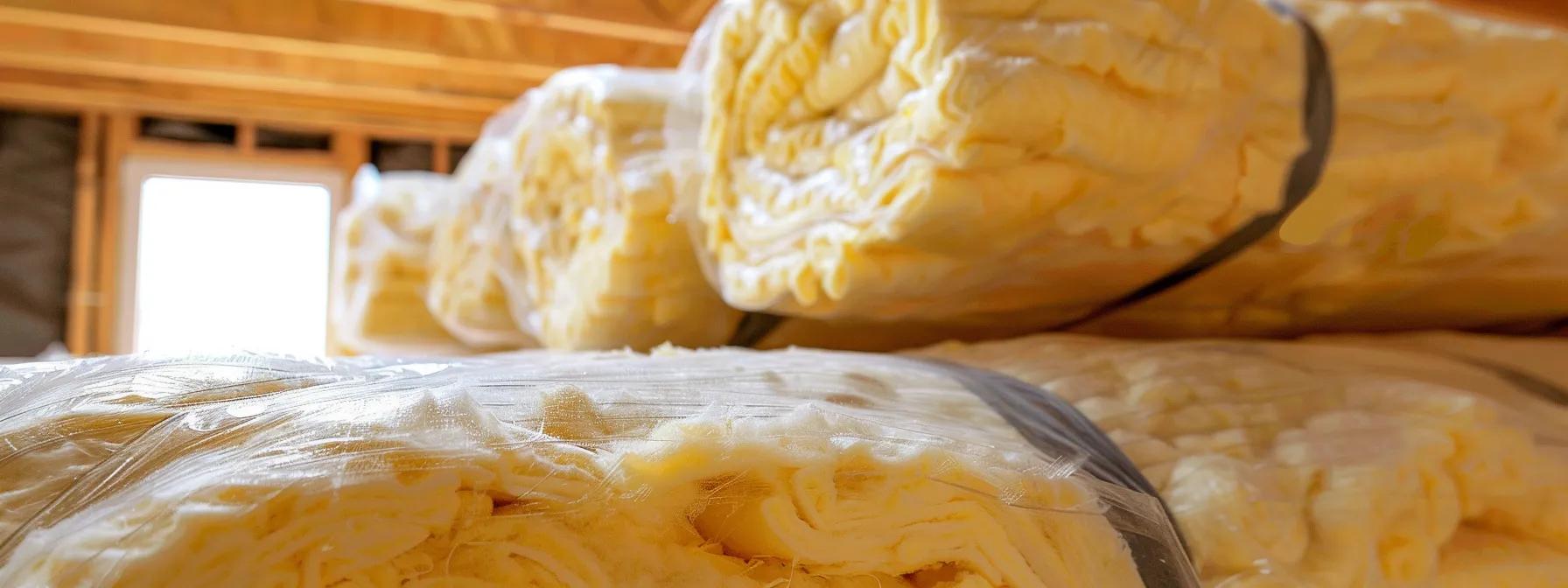
Fiberglass insulation is one of the most common materials used in homes across the U.S., and for good reason. It’s made from super-fine glass fibers and comes in batts, rolls, or loose-fill form. Many homeowners in Garner choose fiberglass for its affordability and easy installation, especially in attics and wall cavities.
But how well does it really hold up in a humid place like Garner?
Here’s what you should know:
Pros of fiberglass insulation:
- Budget-friendly and widely available
- Decent thermal resistance (typically R-2.2 to R-2.7 per inch)
- Easy to install—great for attics and open wall spaces
- Works well in dry, well-ventilated areas
Where it struggles:
- Not great at blocking air leaks unless paired with a separate air barrier
- Can absorb moisture if there are leaks or poor ventilation
- Performance can drop over time if it gets wet or settles
If your home already has decent ventilation and moisture control, fiberglass can be a solid choice—especially if you’re looking for a cost-effective way to insulate your attic. But in areas where moisture is a concern (like crawl spaces), it might not be the best standalone option.
What Is Spray Foam Insulation?
Spray foam insulation is a modern, high-performance material that expands on contact to fill cracks, gaps, and cavities. Unlike fiberglass, it forms a solid seal that blocks both air and moisture. That makes it especially valuable in homes that deal with humid conditions—like those here in Garner.
There are two main types of spray foam:
- Open-cell spray foam: Softer and more flexible. Offers some air sealing and insulation (R-3.5 to R-4 per inch).
- Closed-cell spray foam: Denser, more rigid, and highly moisture-resistant. Offers much higher insulation (R-6 to R-7 per inch).
Here’s how spray foam performs in our local climate:
What spray foam does well:
- Acts as both insulation and an air barrier in one step
- Seals out moisture—ideal for humid areas like crawl spaces and rim joists
- Provides higher R-values per inch than fiberglass
- Adds structural strength to walls or ceilings
Potential downsides:
- More expensive up front
- Requires professional installation
- Can be overkill for large, open areas unless energy efficiency is a top priority
If you’re dealing with moisture, uneven temperatures, or drafty spots in your home, spray foam might be worth the investment. Many homeowners in Garner choose it for problem areas that need a tighter seal, such as basements, crawl spaces, and attic corners.
Fiberglass vs. Spray Foam: A Side-by-Side Comparison for Garner Homes
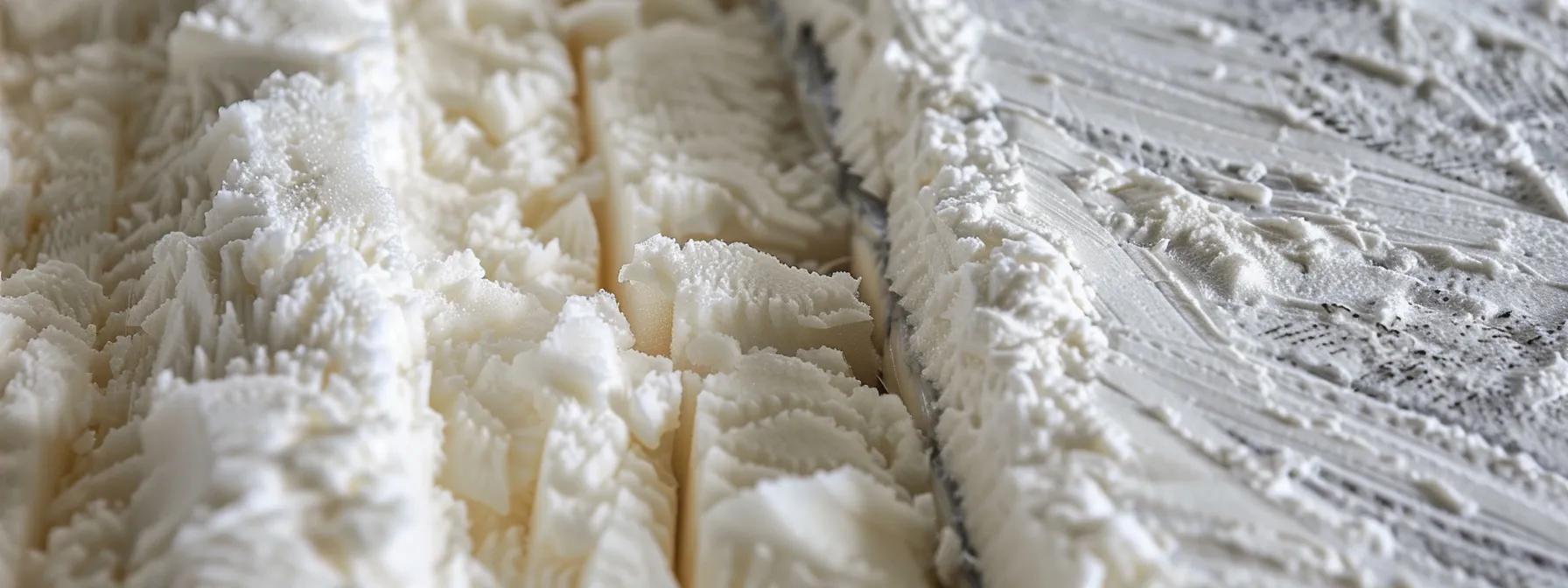
Still on the fence about which insulation is right for you? Let’s lay it out simply.
Here’s how fiberglass and spray foam stack up when we look at how they handle Garner’s specific climate conditions:
| Feature | Fiberglass | Spray Foam |
|---|---|---|
| R-value per inch | ~2.2 to 2.7 | ~3.5 to 7 (depending on type) |
| Moisture resistance | Low to moderate | High (especially closed-cell) |
| Air sealing | Poor without extra barriers | Excellent built-in air barrier |
| Upfront cost | Lower | Higher |
| DIY installation | Possible | Professional only |
| Ideal use areas | Attics, walls | Crawl spaces, rim joists, tight gaps |
| Long-term efficiency | Moderate | High |
What this means for your home in Garner:
- Fiberglass is a good fit for open areas where moisture is not a major concern.
- Spray foam is better for air sealing and moisture control, especially in humid or hard-to-reach spaces.
In many cases, a hybrid approach—using fiberglass in your attic and spray foam in your crawl space or rim joists—gives the best of both worlds.
Local Considerations for Insulation in Garner
Choosing the right insulation in Garner isn’t just about the material—it’s also about where and how it’s installed. Many homes in this area face challenges like high summer humidity, damp crawl spaces, and older construction that lacks modern air sealing.
If your home was built before the 2000s, there’s a good chance it doesn’t have proper insulation in key areas. And even if it does, insulation degrades over time—especially fiberglass when it’s exposed to moisture.
Here are a few location-specific things to think about:
- Attics: Heat builds up fast in the summer. Fiberglass can work well here as long as ventilation is solid.
- Crawl spaces: These areas are often damp and poorly sealed. Spray foam is usually the better choice to block moisture and mold.
- Wall cavities: Both fiberglass and spray foam work here, but spray foam gives a better seal if energy efficiency is your goal.
- Basements and garages: Closed-cell spray foam works best where moisture control and air sealing are a priority.
In homes around Garner, it’s becoming more common to mix insulation types to get the best performance without overspending. A trusted local contractor will help you customize a plan based on your home’s layout and energy goals.
Cost Comparison and Long-Term Value
Cost is always a big factor when making decisions about home improvements, and insulation is no different. While fiberglass and spray foam differ in price, it’s important to look beyond just the initial install cost.
Here’s a quick breakdown:
Fiberglass insulation costs:
- About $0.50 to $1.00 per square foot
- Can often be installed DIY or with a smaller labor budget
- Lower upfront investment
Spray foam insulation costs:
- Around $1.50 to $3.50 per square foot, depending on the type
- Must be installed by professionals
- Higher upfront cost, but greater energy savings over time
So, what about long-term value?
Spray foam generally wins when it comes to efficiency and savings over time. Because it seals air leaks and resists moisture, your HVAC system doesn’t have to work as hard—which shows up as lower utility bills month after month.
And don’t forget about local incentives. Garner homeowners may qualify for energy efficiency rebates from programs like Duke Energy or North Carolina’s state-level incentives. These can help offset the higher cost of spray foam.
Our Recommendation: What’s Best for Your Garner Home?
So, what’s the right call for your home in Garner—fiberglass or spray foam?
The short answer is: it depends on your home’s layout, your budget, and how you want to balance upfront cost with long-term efficiency.
Here’s a simple breakdown to help you decide:
Go with fiberglass insulation if:
- You’re on a tighter budget
- Your attic or walls are already ventilated and dry
- You want a quick, straightforward upgrade
- You’re planning to DIY or want lower labor costs
Go with spray foam insulation if:
- You need better air sealing and moisture protection
- Your home has crawl spaces or rim joists prone to dampness
- You want the best possible energy efficiency
- You’re okay with a higher initial investment for long-term ROI
And in many cases, mixing both is the smartest route. Spray foam works great in vulnerable, hard-to-reach areas, while fiberglass can handle the larger, well-ventilated zones more affordably.
If you’re unsure which way to go, talking to a local insulation expert can help you build a plan based on your home’s structure and your personal comfort goals.
Why Choose Home Tech Insulation in Garner?
At Home Tech Insulation, we know the unique challenges that come with insulating homes in Garner’s humid climate. We’re not just another insulation company—we’re a local team that understands how heat, humidity, and building types impact your comfort and energy bills.
Here’s what makes us a smart choice for homeowners in Garner:
- Local knowledge: We tailor each job to match Garner’s specific climate and construction trends.
- Certified installers: Our team is trained to handle both fiberglass and spray foam correctly.
- Energy-first approach: We focus on solutions that reduce your utility bills over the long haul.
- Clear, honest guidance: We’ll walk you through your options without the sales pressure.
Whether you’re leaning toward fiberglass insulation for your Garner attic, or need spray foam in a musty crawl space, we’re here to help you make the right call.
Frequently Asked Questions
Is fiberglass insulation good for homes in Garner, NC?
Yes, fiberglass works well in many parts of the home—especially attics and wall cavities—as long as moisture is controlled. It’s a cost-effective option for homeowners in Garner, but it may need to be paired with vapor barriers or proper ventilation.
Is spray foam worth the higher cost?
For many homeowners in humid climates like Garner’s, yes. Spray foam offers superior air sealing, better moisture control, and long-term energy savings that often offset the higher upfront cost.
Can I install fiberglass insulation myself?
In many cases, yes. Fiberglass batts or rolls are DIY-friendly and can be added to attics or walls fairly easily. However, professional installation ensures better coverage and safety, especially around electrical or HVAC components.
Which insulation type works better for crawl spaces in Garner?
Spray foam is usually the better choice for crawl spaces. It seals out air and moisture more effectively than fiberglass and can help prevent mold, musty odors, and energy loss from below your home.
Is it okay to mix fiberglass and spray foam in one home?
Absolutely. In fact, many homes in Garner benefit from a hybrid approach—using fiberglass in large, open areas like attics and spray foam in crawl spaces, rim joists, or other moisture-prone zones.
Conclusion
Choosing the right insulation isn’t just about the material—it’s about how well that material fits your home and your climate. In Garner, where heat and humidity are constant factors, your insulation needs to do more than just trap air. It needs to control moisture, block air leaks, and hold up over time.
Fiberglass insulation remains a reliable, affordable option for many homeowners in Garner—especially in attics and well-ventilated areas. But when you need maximum performance and moisture resistance, spray foam offers long-term value and superior protection.
If you’re not sure which option is best for your home, the team at Home Tech Insulation can help. We know the local climate, understand the insulation challenges unique to Garner, and can recommend the right mix of materials for your home and budget.