
Why Is Proper Home Insulation So Important in Fuquay Varina, NC?
Proper home insulation is a cornerstone of energy–efficient living in Fuquay Varina, NC. In this mixed-humid climate zone, balancing heat gain, humidity control, and comfort drives every homeowner’s concern. Beyond energy savings, insulation addresses moisture, noise, and indoor air quality, contributing to a healthier, more durable home. This article unpacks why high-performance insulation matters, explores the top materials, and helps homeowners choose the right solution.
Understanding Fuquay Varina’s Climate Challenges
Fuquay Varina sits in North Carolina’s mixed-humid climate zone. Summers can be hot and sticky, while winters range from mild to cool. Without proper insulation, walls and attics become conduits for heat transfer, driving up cooling costs from June through September. In winter, insufficient insulation allows conditioned air to escape, making heating systems work overtime.
Proper insulation creates a continuous thermal barrier within the building envelope, reducing temperature swings and minimizing condensation risk. By managing thermal bridging and maintaining a stable interior environment, insulation limits moisture accumulation, mold growth, and wood rot—key weatherproofing home NC concerns.
Energy Efficiency and Cost Savings
Insulation is the first line of defense against energy loss. An R-value measures thermal resistance; the higher the R-value, the better the material resists heat flow. In Fuquay Varina, optimal levels start at R-38 in attics and R-13 to R-21 in walls. Upgrading from R-19 to R-38 in an attic can cut annual energy bills by up to 15%.
A well-insulated home translates directly to lower utility bills and a reduced carbon footprint. Over time, savings often offset installation costs within five to seven years, depending on energy rates and home size. Home performance experts consistently rank insulation improvements among the highest-ROI retrofits homeowners can make.
To explore tailored solutions, consider Home Insulation Services in Fuquay Varina, NC for a comprehensive energy audit and personalized insulation plan.
Types of Insulation Suitable for Fuquay Varina Homes
Selecting the right material hinges on budget, building type, and performance goals. Below are three popular options in Fuquay Varina:
Spray Foam Insulation
Spray polyurethane foam creates an airtight seal that resists air leakage and moisture intrusion. With closed-cell foam, R-values reach up to R-7 per inch, while open-cell foam offers R-3.6 per inch. This method excels at sealing irregular cavities, rim joists, and attics.
Professional spray foam installers ensure proper curing, preventing off-gassing and settling. Homeowners report immediate comfort improvements and significant noise reduction. To compare specialized spray foam services, visit Spray Foam Insulation Fuquay Varina, NC.
Blow-In (Loose-Fill) Insulation
Loose-fill fiberglass or cellulose is ideal for retrofits and dense-packed walls. Cellulose—made from recycled paper—often includes borate for pest and fire resistance. Loose-fill can achieve R-values of R-3.2 to R-3.8 per inch, filling gaps around wiring and plumbing effortlessly.
This solution is cost-effective and environmentally friendly, but settling over time can reduce performance if not properly installed. Experts recommend professional dense-pack installation for uniform density and minimal voids. Learn more about dense-pack options at Blow In Insulation in Fuquay Varina, NC.
Batt (Blanket) Insulation
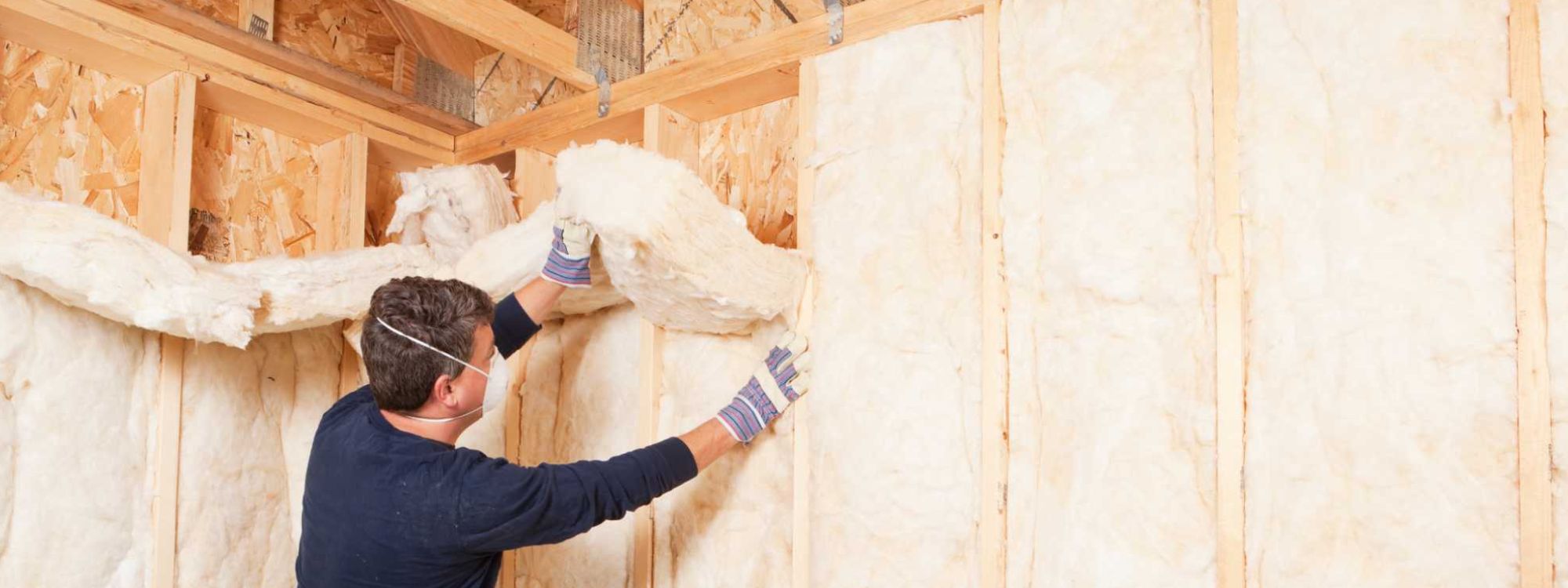
Batt insulation—typically fiberglass or mineral wool—comes in pre-cut panels sized for standard stud and joist spacing. It offers R-values from R-2.9 to R-3.8 per inch. Batt installation is DIY-friendly but requires careful fitting around obstacles to prevent thermal bridging.
Mineral wool batt provides superior fire resistance and moisture tolerance compared to fiberglass. For options and pricing, check out Batt Insulation in Fuquay Varina, NC.
Comparison of Insulation Types
|
Insulation Type
|
R-Value per Inch
|
Air Sealing
|
Moisture Resistance
|
Cost Range ($/sq ft)
|
Ideal Applications
|
|---|---|---|---|---|---|
|
Closed-Cell Spray
|
R-6 to R-7
|
Excellent
|
High
|
1.20–1.80
|
Attics, crawl spaces, basements
|
|
Open-Cell Spray
|
R-3.5 to R-3.7
|
Very Good
|
Moderate
|
0.60–1.00
|
Interior walls, ceilings
|
|
Loose-Fill Cellulose
|
R-3.2 to R-3.8
|
Good
|
Good (treated)
|
0.50–1.50
|
Existing attics, wall cavities
|
|
Fiberglass Batt
|
R-2.9 to R-3.8
|
Fair
|
Low
|
0.30–0.80
|
New construction
|
|
Mineral Wool Batt
|
R-3.0 to R-3.3
|
Fair
|
High
|
0.70–1.20
|
Exterior walls, fire-rated assemblies
|
Improved Indoor Air Quality and Moisture Control
Insulation plays a vital role in controlling humidity and preventing moisture intrusion. When air sealing and vapor barriers are correctly installed, condensation within walls and attics is minimized. This lowers mold and mildew risk, which can aggravate allergies and respiratory issues.
Materials like spray foam inherently resist moisture, while advanced sheathing and vapor retarders complement batt and loose-fill systems. For a full spectrum of weatherproofing home NC solutions, reach out via the contact page to schedule a moisture assessment today.
Enhanced Comfort and Noise Reduction
Thermal insulation also dampens airborne and impact noise. Homeowners near busy corridors or neighbors notice quieter interiors after upgrading insulating materials. Closed-cell spray foam, in particular, creates a continuous air seal that blocks sound transmission through walls and floors.
Batt and blown-in options improve acoustic comfort, especially when combined with resilient channel installations or specialized acoustic mats. Quiet, consistent indoor temperatures add to that sense of comfort every day.
Environmental Impact and Sustainability
Sustainable insulation practices benefit both homeowners and the planet. Cellulose insulation uses recycled content, reducing landfill waste. Low-VOC spray foam formulations contribute to healthier indoor environments. Mineral wool is often made from basalt or slag, diverting industrial by-products from disposal.
Energy conservation through proper insulation aligns with ENERGY STAR recommendations and can contribute points toward LEED certification or other green building standards. Additionally, carbon savings compound over decades of reduced HVAC use.
Compliance with Building Codes and Incentives
North Carolina’s Residential Code specifies minimum insulation levels for ceilings, walls, and floors. Fuquay Varina homeowners should verify compliance with local building authorities to avoid costly rework. Proper documentation also unlocks state and federal incentives, such as the Residential Energy Efficiency Tax Credit (Section 25C) and local utility rebate programs.
A professional installer can manage permitting, ensure code compliance, and help file for rebates—streamlining the upgrade process.
Financial Considerations: Costs vs. Long-Term Savings
Balancing upfront investment with lifecycle savings is critical. Below is an illustrative cost-benefit comparison:
Estimated Installation Cost vs. Annual Energy Savings
|
Insulation Type
|
Avg. Installation Cost (2,000 sq ft)
|
Estimated Annual Savings
|
Payback Period (Years)
|
|---|---|---|---|
|
Closed-Cell Spray
|
$6,000–$10,000
|
$800
|
7–12
|
|
Open-Cell Spray
|
$3,000–$6,000
|
$600
|
5–10
|
|
Blown-In Cellulose
|
$1,500–$3,000
|
$400
|
4–8
|
|
Fiberglass Batt
|
$1,000–$2,500
|
$350
|
3–7
|
Choosing the Right Insulation Contractor in Fuquay Varina
Selecting an experienced, licensed insulation professional ensures optimal installation, code compliance, and warranty protection. Home Tech Insulation specializes in tailored solutions—from initial energy audits and thermal imaging to material selection and air sealing. Their technicians are trained in best practices for spray foam, blow-in, and batt systems.
For a no-obligation consultation and quote, visit Home Tech Insulation to learn how their team can transform energy efficiency in your home.
Conclusion
Investing in proper home insulation in Fuquay Varina, NC, protects against extreme temperatures, reduces energy costs, enhances indoor comfort, and safeguards structural integrity. By choosing the right materials—whether spray foam, blow-in cellulose, or batt insulation—homeowners can secure long-term savings, improved air quality, and environmental benefits.
Home insulation upgrades are among the most cost-effective home improvements available today, delivering immediate and lasting returns. For expert guidance and professional installation, turn to the trusted specialists at Home Tech Insulation.
Frequently Asked Questions
1. What R-value is recommended for attics in Fuquay Varina?
Attics in mixed-humid zones like Fuquay Varina typically require R-38 to R-60, depending on ceiling construction and existing insulation levels.
2. How does spray foam compare to fiberglass batt insulation?
Spray foam offers superior air sealing, higher R-value per inch, and moisture resistance, while fiberglass batt is more budget-friendly but requires meticulous installation to avoid gaps.
3. Can homeowners install insulation themselves, or should they hire a pro?
DIY batt insulation is possible, but professional installation ensures proper air sealing, avoids thermal bridging, and maintains warranty coverage—especially for spray foam and dense-pack systems.
4. Are there any incentives for insulating my home in North Carolina?
Yes—federal tax credits under Section 25C, North Carolina Weatherization Assistance Program rebates, and local utility incentives can offset installation costs.
5. How long does insulation last before needing replacement?
Quality insulation materials can last 20–30 years or more. Loose-fill cellulose may settle over time, so periodic inspections and top-offs are recommended.