

What Is Thermal Home Insulation and How Does R-Value Actually Work?
Thermal home insulation is a critical part of building design, affecting energy efficiency, comfort, and long-term savings. home tech insulation, based in Fuquay‑Varina, NC, is recognized for installing top-quality spray‑foam, blow‑in, and batt insulation. Understanding insulation materials, R‑values, and proper installation is essential for reducing heating and cooling costs while protecting the environment by reducing energy consumption.
This article explains the fundamentals of thermal home insulation, the importance of R‑value as a performance metric, and compares different insulation materials. It guides homeowners on selecting, installing, and optimizing insulation for energy efficiency, comfort, and a good return on investment.
What Is Thermal Home Insulation and Why Is It Important?
Thermal home insulation reduces the flow of heat through walls, roofs, floors, and windows, helping maintain a comfortable indoor temperature regardless of the weather. It minimizes heat loss in winter and heat gain in summer, lowering energy usage and utility bills while decreasing the building’s environmental footprint.
How Does Thermal Insulation Reduce Heat Transfer?
Insulation works by slowing conductive, convective, and radiative heat transfer. Materials like fiberglass and spray foam trap air in tiny cells, reducing convection. Some insulation includes radiative barriers that reflect heat. Multiple layers, as in batt installations, add extra resistance to heat flow, keeping indoor environments stable despite external temperature changes.
What Are the Main Benefits of Proper Home Insulation?
Proper insulation enhances energy efficiency and comfort by maintaining a steady indoor temperature. It reduces noise pollution, limits condensation and mold growth, and lowers carbon emissions. For many homeowners, quality insulation means lower energy bills and increased property value, offering a favorable long‑term return on investment.
How Does Insulation Impact Energy Efficiency in Different Home Types?
Insulation is key in diverse homes—from older single‑family houses to modern multi‑unit constructions. In older homes, upgrading attic and wall insulation can yield 25–30% energy savings, while new buildings with advanced materials may perform even better. For commercial and light‑industrial properties, effective insulation helps reduce operating costs and ensures comfort. Homeowners need to consider factors like climate, humidity, and building design when selecting insulation.
What Is R-Value and How Does It Measure Insulation Effectiveness?

R‑Value quantifies the thermal resistance of insulation materials; the higher the R‑Value, the better the material resists heat transfer. It is a critical metric that builders, homeowners, and auditors use to compare insulation products and meet energy efficiency standards.
How Is R-Value Calculated and What Does It Represent?
R‑Value is determined by dividing the insulation’s thickness (in inches) by its thermal conductivity. Materials like closed‑cell spray foam have higher R‑Values per inch compared to fiberglass or cellulose. This calculation indicates how effective the overall installed insulation is in reducing heat loss.
Why Do Higher R-Values Indicate Better Insulation?
A higher R‑Value means greater resistance to heat flow. Such materials keep internal temperatures stable by reducing the need for additional heating or cooling. This leads to lower utility bills and a smaller carbon footprint. In regions with extreme temperatures, achieving higher cumulative R‑Values with layered insulation or high-performance materials is critical. Home Tech Insulation can recommend solutions that meet or exceed required R‑Values for energy efficiency.
How Does R-Value Compare to Other Metrics Like U-Factor?
While R‑Value measures thermal resistance, the U‑Factor denotes how quickly heat is transferred through a material (the inverse of R‑Value). Lower U‑Factor values mean better insulating performance. Both metrics are useful when evaluating the overall energy efficiency of a building, ensuring every part—from walls to windows—works together to reduce energy loss.
What Are the Different Types of Thermal Insulation Materials?
Various insulation materials are available to meet different performance criteria, budgets, and installation needs. Common materials include fiberglass, cellulose, spray foam, and mineral wool. Each offers a distinct mix of thermal performance, ease of installation, durability, and cost efficiency.
What Are the Properties and R-Values of Fiberglass, Cellulose, Spray Foam, and Mineral Wool?
- Fiberglass: Affordable and easy to install; offers an R‑Value of about 2.2–2.9 per inch.
- Cellulose: Made from recycled paper treated for fire resistance; delivers an R‑Value of about 3.1–3.8 per inch and fits densely in wall cavities.
- Spray Foam: Available in open‑cell and closed‑cell. Closed‑cell spray foam reaches R‑Values of 6–7 per inch, while open‑cell typically provides 3.5–4.0 per inch.
- Mineral Wool: Made from rock or slag; offers an R‑Value of 3–3.3 per inch along with soundproofing and fire‑resistant properties.
How Do Insulation Materials Differ in Cost and Installation Requirements?
Fiberglass batts are economical but require careful installation to avoid gaps. Cellulose is cost‑effective when blown in, while spray foam—with its higher R‑Value—comes at a higher upfront cost and demands professional application. Mineral wool sits in between with durable, fire‑resistant properties. Homeowners must weigh material and labor costs against long‑term energy savings.
Which Insulation Materials Are Best for Specific Home Areas?
Different areas of a home call for different insulation types. For attics, blown‑in cellulose or fiberglass provides good coverage. Wall cavities benefit from spray foam’s air-sealing capabilities or mineral wool’s soundproofing. Floors and basements often use rigid foam boards or spray foam for both insulation and moisture control. Local climate and moisture levels, such as those in humid areas of North Carolina, also determine the best options.
How Do You Choose the Right Insulation for Your Home?
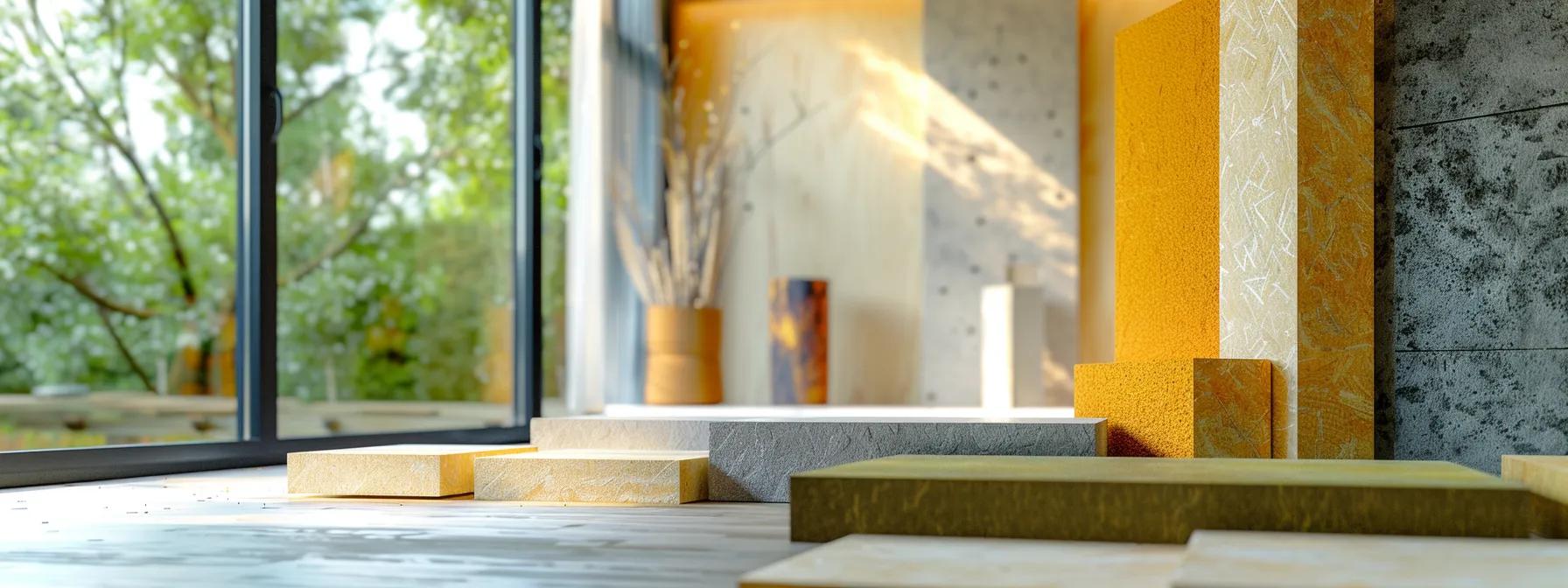
Choosing the right insulation involves balancing energy efficiency, cost, climate, and installation needs. The ideal material reduces energy usage, enhances comfort, and offers durability. Options vary from spray foam to batt insulation, each suited to different parts of the home as well as local building codes.
What Factors Should Influence Your Insulation Choice?
Key influences include required R‑Value for your climate, budget (both initial and long‑term), and specific installation areas (attic, walls, floors). Additional factors such as environmental sustainability, fire resistance, and soundproofing should also be considered. Consulting with a trusted contractor like Home Tech Insulation helps ensure compliance with local energy codes and can maximize financial incentives like rebates and tax credits.
How Do Building Codes and Climate Zones Affect Insulation Requirements?
Building codes specify minimum R‑Values for different parts of a home based on regional climate data and energy savings goals. In warm, humid climates like North Carolina, moisture control is crucial, often requiring vapor barriers along with insulation. Contractors use standards like the IECC and local amendments to determine the necessary R‑Value, ensuring compliance and eligibility for energy‑efficiency incentives.
What Are the Best Insulation Options for Energy Efficiency in Different Climates?
In cooler areas, high‑density materials such as closed‑cell spray foam are preferred for their air sealing and high R‑Value. In milder climates, blown‑in cellulose or fiberglass batts can be sufficient. For humid regions, materials with moisture‑resistant properties (like some spray foam formulations or mineral wool) are ideal. A consultation with energy inspectors or insulation experts helps select the option that best meets local conditions and energy goals.
How Is Thermal Insulation Installed in Homes?
Proper installation is essential for insulation effectiveness. Techniques vary by material and location—whether in attics, walls, or floors. Correct installation maximizes R‑Value and ensures adherence to building codes and safety standards.
What Are the Step-by-Step Installation Processes for Attics, Walls, and Floors?
- Attics: Begin with inspecting for air leaks and moisture, then lay a vapor barrier if needed. Loose‑fill or blown‑in insulation is evenly spread to reach the recommended R‑Value with no gaps.
- Walls: Batts or spray foam are installed after preparing the wall cavity, sometimes using injection techniques for retrofit projects.
- Floors/Crawl Spaces: Rigid foam boards or spray foam are often used to provide both insulation and a moisture barrier, ensuring minimal thermal bridging.
Why Is Professional Installation Important for Optimal Insulation Performance?
Even application and proper density are crucial for performance. Poor installation can create gaps or compression that reduce R‑Value, while professional installation ensures adherence to fire safety and indoor air quality standards. Experienced contractors like those at Home Tech Insulation can prevent issues that compromise insulation effectiveness.
How Can Homeowners Prepare for Insulation Installation?
Homeowners should assess current insulation, seal air leaks, and clear access areas (e.g., attics and crawl spaces) before installation. Repairing leaks and sealing gaps around windows and doors improves overall efficiency. A pre‑installation consultation helps determine the correct material specifications and ensures compliance with local codes.
What Are the Costs and Return on Investment (ROI) of Home Insulation?

Insulation is an investment with varying upfront costs that are offset by long‑term savings. Although expenses differ by material, the resulting reduction in energy bills often makes the investment highly favorable. Government programs offering rebates, tax credits, and low‑interest financing further improve the ROI.
How Much Does Different Insulation Material Cost?
- Fiberglass Batts: Generally cost $0.40–$1.00 per square foot.
- Blown‑in Cellulose: Typically costs $1.00–$2.00 per square foot.
- Closed‑Cell Spray Foam: Ranges from $1.50–$3.50 per square foot due to its superior R‑Value.
- Mineral Wool: Falls in a mid‑range price of about $1.00–$2.50 per square foot.
Each option requires considering both material and labor costs alongside long‑term energy savings.
What Energy Savings Can You Expect After Installing Insulation?
Proper insulation upgrades can reduce heating and cooling costs by 20–30% annually. Savings vary with climate and the extent of the upgrade, but the reduction in energy bills, combined with increased home comfort and resale value, makes insulation a worthwhile investment.
Are There Government Incentives or Tax Credits for Insulation Upgrades?
Yes, several federal and state programs, along with utility incentives, help offset insulation costs. Homeowners should review local and federal guidelines or consult with contractors like Home Tech Insulation to maximize these benefits.
Below is a table summarizing insulation material costs and energy savings:
| Insulation Material | Cost per Sq Ft | R‑Value per Inch | Expected Energy Savings (%) |
|---|---|---|---|
| Fiberglass Batts | $0.40 – $1.00 | 2.2 – 2.9 | 15 – 20 |
| Blown‑in Cellulose | $1.00 – $2.00 | 3.1 – 3.8 | 20 – 25 |
| Closed‑Cell Spray Foam | $1.50 – $3.50 | 6 – 7 | 25 – 30 |
| Mineral Wool | $1.00 – $2.50 | 3 – 3.3 | 15 – 20 |
| Open‑Cell Spray Foam | $1.00 – $2.50 | 3.5 – 4.0 | 20 – 25 |
This comparison helps homeowners weigh performance against cost to make informed decisions.
What Are Common Questions About Thermal Insulation and R-Value?
Several common questions arise regarding thermal insulation and R‑Value, particularly around performance, moisture effects, and additional benefits like soundproofing.
What Is the Difference Between R-Value and Insulation Thickness?
R‑Value measures thermal resistance while insulation thickness is simply the physical measurement. A more efficient material may reach the required R‑Value with less thickness than a less efficient one. Both metrics are used by contractors to ensure optimal performance.
How Does Moisture Affect Insulation Performance and R-Value?
Moisture reduces an insulation material’s R‑Value by altering its structure, which can lead to reduced air-trapping ability, mold growth, and structural damage. Proper moisture barriers are essential to maintain insulation efficiency.
Can Insulation Also Help With Soundproofing?
Yes, many insulation materials such as mineral wool and dense fiberglass also provide sound absorption, reducing noise transmission. This dual benefit can be especially valuable in urban or noisy environments.
Detailed List of Insulation Materials and Their Benefits
- Fiberglass Batts – Economical and Versatile
Affordable and easy to install, fiberglass batts offer moderate R‑Values and reduce noise when fitted correctly. - Blown‑in Cellulose – Dense and Environmentally Friendly
Made from recycled paper with added fire resistance, cellulose fills gaps effectively and helps reduce air leakage. - Closed‑Cell Spray Foam – Premium Insulation with High R‑Value
With superior insulation and air-sealing properties, closed‑cell spray foam achieves high R‑Values, making it ideal for new constructions and areas needing strict energy efficiency. - Open‑Cell Spray Foam – Lightweight and Cost‑Effective
A more affordable alternative to closed‑cell foam, open‑cell spray foam provides decent R‑Value and improves air sealing in large areas. - Mineral Wool – Durable and Fire‑Resistant
Known for its fire resistance and soundproofing, mineral wool offers reliable performance and durability, despite typically higher costs.
Comparative Table of Insulation Materials
| Material | R‑Value per Inch | Cost per Sq Ft | Application Areas | Additional Benefits |
|---|---|---|---|---|
| Fiberglass Batts | 2.2 – 2.9 | $0.40 – $1.00 | Attics, Walls | Affordable, easy to install |
| Blown‑in Cellulose | 3.1 – 3.8 | $1.00 – $2.00 | Attics, Retrofit Walls | Eco‑friendly, dense coverage |
| Closed‑Cell Spray Foam | 6 – 7 | $1.50 – $3.50 | New Construction | Superior R‑Value, moisture barrier |
| Open‑Cell Spray Foam | 3.5 – 4.0 | $1.00 – $2.50 | Attics, Large Open Areas | Cost‑effective, excellent air sealing |
| Mineral Wool | 3 – 3.3 | $1.00 – $2.50 | Walls, Floors, Ceilings | Fire‑resistant, soundproofing |
Frequently Asked Questions
Q: What is thermal home insulation?
A: It is a system of materials designed to reduce heat transfer between a building’s interior and exterior, improving energy efficiency and indoor comfort.
Q: How does R‑Value affect insulation performance?
A: R‑Value measures resistance to heat flow—higher values indicate better performance, helping to guide material selection based on climate and building needs.
Q: Can moisture negatively affect insulation?
A: Yes, moisture can lower the R‑Value by compromising the material’s structure, leading to reduced performance and potential mold growth.
Q: What insulation material offers the highest R‑Value per inch?
A: Closed‑cell spray foam typically provides the highest R‑Value, often between 6 and 7, due to its excellent air sealing and resistance to moisture.
Q: Are there financial incentives for upgrading home insulation?
A: Yes, federal tax credits, state rebates, and utility incentives are available to help offset the costs of insulation upgrades.
Q: How do I know which insulation material is best for my home?
A: The best choice depends on your home’s needs, local climate, budget, and installation area. Consulting with professionals like those at Home Tech Insulation will help ensure you meet local codes and maximize energy efficiency.
Final Thoughts
Thermal home insulation is vital for reducing energy use and enhancing comfort. By understanding R‑Value and comparing materials such as fiberglass, cellulose, spray foam, and mineral wool, homeowners can make informed decisions that balance cost and performance. Professional installation and compliance with local codes ensure the insulation works effectively, ultimately reducing energy bills and boosting property value.